How to Get a Student Visa for Italy: Step-by-Step Guide for 2025
Italy is a dream destination for many international students. Whether you’re pursuing a university degree, learning the Italian language, or attending a culinary school, you’ll likely need a “Visto per Studio” (Student Visa) if you’re staying over 90 days and you’re from outside the EU.
Here’s a practical, step-by-step guide to help you navigate the process of obtaining a student visa for Italy.
Step 1: Get Accepted into an Approved Program
You must first receive an official letter of acceptance from a recognized Italian institution. This could be:
• A university (bachelor’s, master’s, PhD)
• An accredited language school
• A vocational or art institute
The school must be registered with the Italian Ministry of Education.
Step 2: Prepare Your Documentation
You’ll apply for your visa through the Italian Consulate or Embassy in your country of residence. Here’s what you’ll typically need:
• Visa application form (fully completed and signed)
• Valid passport (with at least two blank pages and valid for at least 3 months after your program ends)
• Passport photos (recent, color, 2×2 inches)
• Letter of acceptance from your school
• Proof of sufficient financial means (at least €460/month for the duration of your stay)
• Proof of accommodation in Italy (rental contract, university housing, or a host invitation)
• International health insurance (minimum coverage of €30,000 for emergencies, repatriation)
• Flight itinerary (round trip may be required or at least outbound)
• Proof of educational background (transcripts, diplomas, etc.)
Tip: Requirements vary by consulate—check the website of your local Italian consulate for the exact list and to book an appointment.
Step 3: Apply for the Visa
You must apply in person at the Italian consulate that covers your jurisdiction. It’s best to book your appointment 2-3 months before your intended departure, especially before the busy fall semester.
The processing time can take 2–6 weeks, depending on your country and consulate.
Step 4: Enter Italy and Apply for the Permesso di Soggiorno
Once in Italy, you must apply for your residence permit (Permesso di Soggiorno per Studio) within 8 days of arrival. Here’s how:
• Go to a local post office (Poste Italiane) and ask for the Permesso di Soggiorno Kit
• Fill out the application, attach the required documents (copies of your visa, passport, acceptance letter, proof of finances and insurance)
• Pay the fees (usually around €100–€150)
• Submit the kit and attend the fingerprinting appointment at the Questura (immigration office)
Can You Work on a Student Visa in Italy?
Yes! Student visa holders can work up to 20 hours/week during the semester and full-time during breaks, but only with a contract and proper registration.
Final Tips
• Start early: Visa appointments and permit processing can take time.
• Be organized: Missing documents = delays.
• Learn some Italian: Even a beginner course will help you feel more at home.
Need help with your visa process or school selection? Contact us at [email protected] — we assist students worldwide with personalized support and relocation services. We work with Italian language schools that are recognized by Italian institutions.
How to Convert a Study Permit / Waiting for job into a Self-Employed Permit | Italy
Subscribe to our newsletter to access content and updates to help navigate life as an expat in Italy. If you need help with your citizenship process, language courses, or general expat life in Italy, email us at [email protected]


Italy 7% Tax Regime for Retirees: Complete 2026 Guide & Rules
Italy 7% Tax Regime for Retirees: Complete 2026 Guide & Rules ⏰ LAST UPDATED: AUGUST 11, 2026 The Italy 7% tax regime for retirees is one of the most attractive foreign pension incentives in Europe. Codified in Article 24-ter of Italy’s Consolidated Income Tax Act (TUIR), it allows qualifying individuals to pay a flat 7% […]

Do Dual Citizens Need Private Health Insurance in Italy?
Do Dual Citizens Need Private Health Insurance in Italy? A few days ago, a member of our community asked a deceptively simple question: “Do dual citizens need private health insurance in Italy?” The short answer is no—but the reality is more nuanced. Whether you hold Italian citizenship by birth, through jure sanguinis (by descent), […]

What’s On in Italy | August 2026 Events & Festivals
What’s On: Italy August 2026 If you are planning to travel or move to Italy August 2026, prepare for a month that is hot, loud, and unapologetically festive. Cities empty as locals head to the coast, but for those who stay — and for visitors who know where to look — this is one of […]
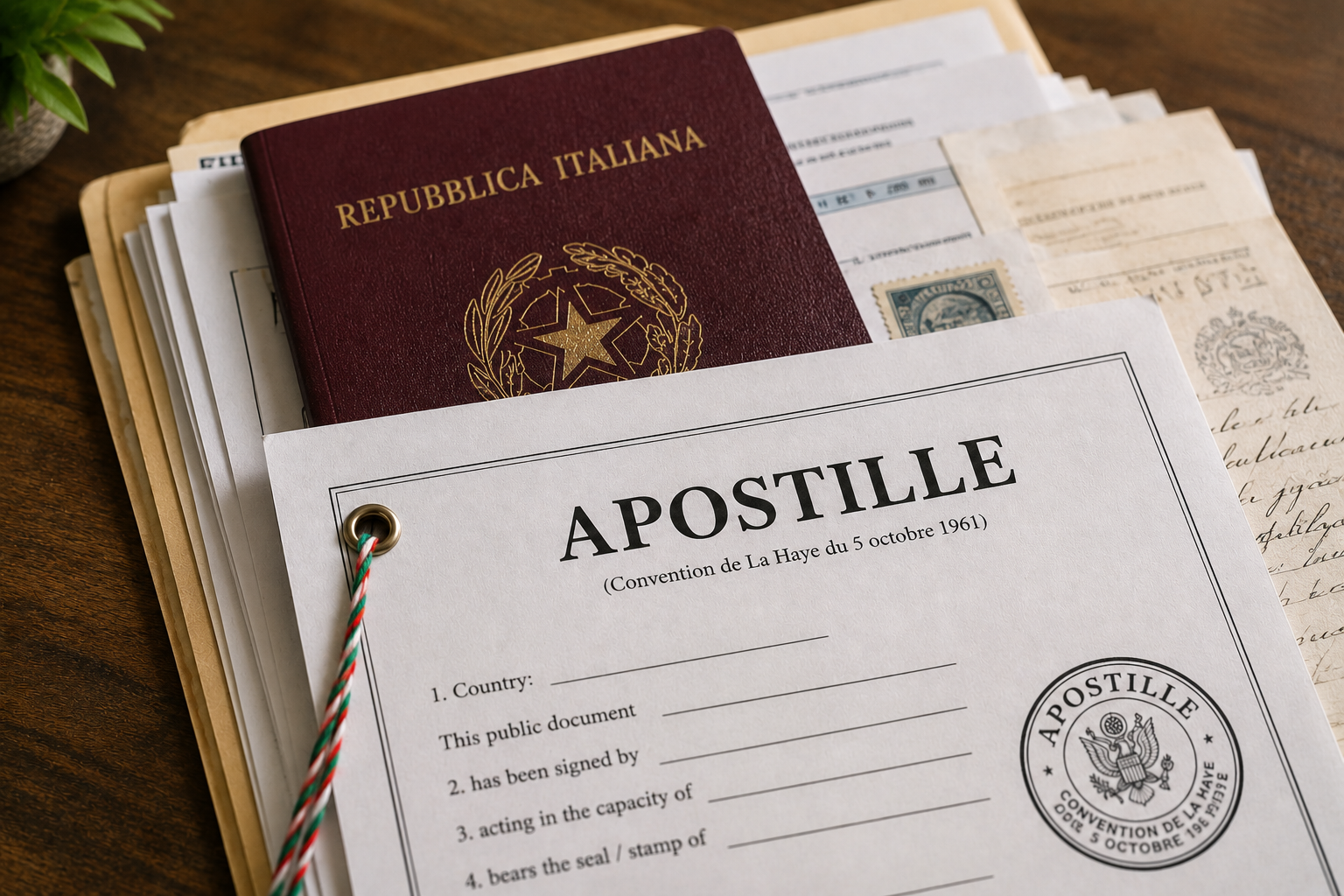
Apostille Italy vs Notarized Documents: Complete Guide
If you are applying for Italian citizenship, a visa, or residency, you need to understand how to get an apostille Italy authorities will accept. Documents often need to be “apostilled” or “notarized” — or both. These terms get used interchangeably, but they mean very different things. Getting it wrong is one of the most common […]

How to Become a Self-Employed Worker in Italy 2026
A practical guide for non-EU citizens who want to live in Italy, work independently, open a business, freelance, consult, or build a professional life abroad. Need help with your move to Italy? Becoming self-employed in Italy can be exciting, but the process can also feel confusing, especially if you are trying to understand visas, permits, […]
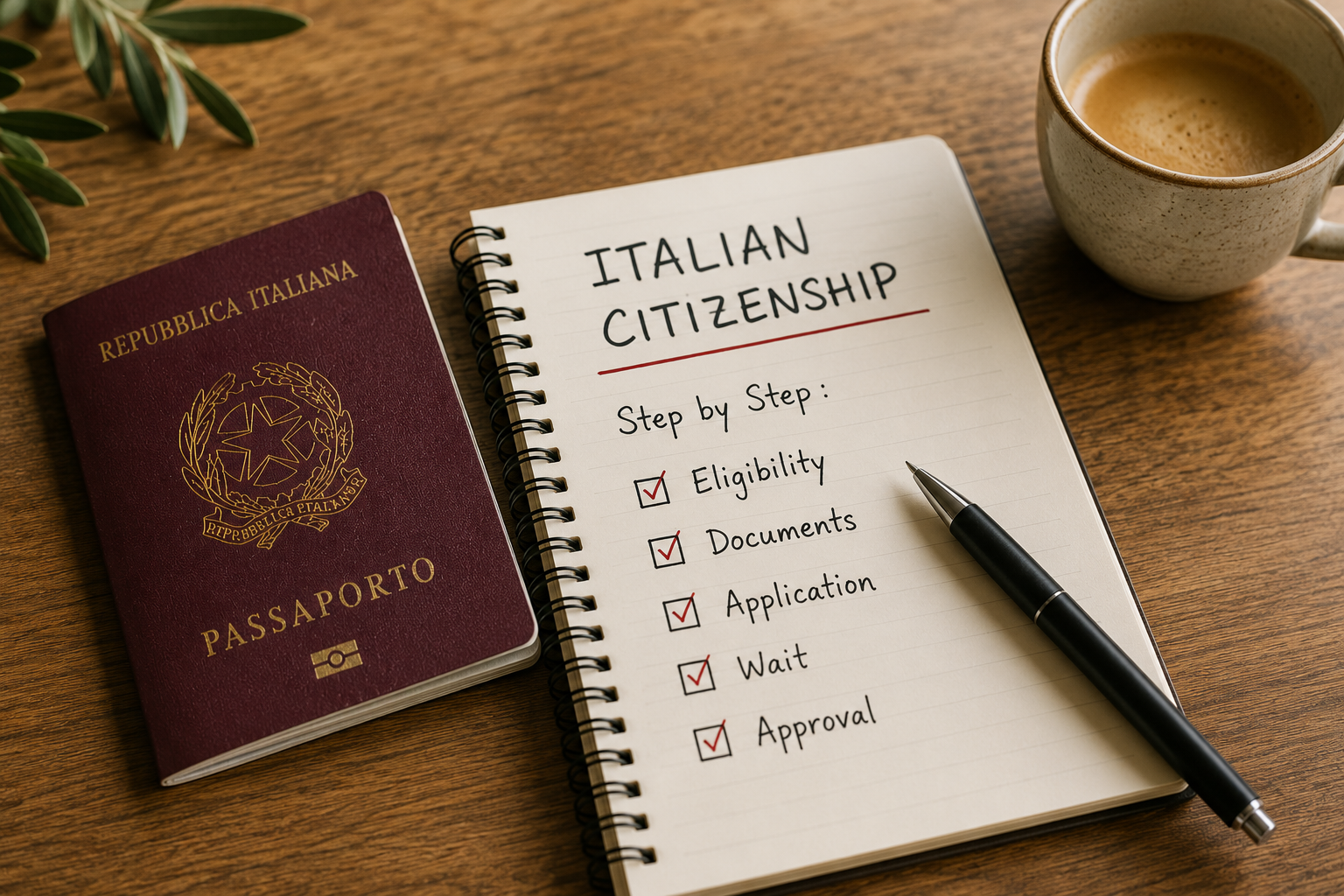
How to Get Italian Citizenship: 2026 Guide to Shifting Laws
⏰ Last Updated: July 8, 2026 Learning how to get Italian citizenship is an incredible milestone. However, massive regulatory shifts changed the legal landscape completely this year. Recent constitutional court rulings, doubled fees, and strict generation limits have rewritten the rules of the game. Here is the updated reality. Critical Lineage Warning: A […]

How to Move to Italy: A Step-by-Step Guide 2026
Comprehensive 2026 Residency Roadmap If you are considering relocating to Italy in 2026, you are likely drawn to the unparalleled lifestyle, the history, and the vibrant culture. However, moving to Italy is more than just booking a flight; it is a legal journey that requires navigating a complex bureaucratic system. There are several distinct pathways […]
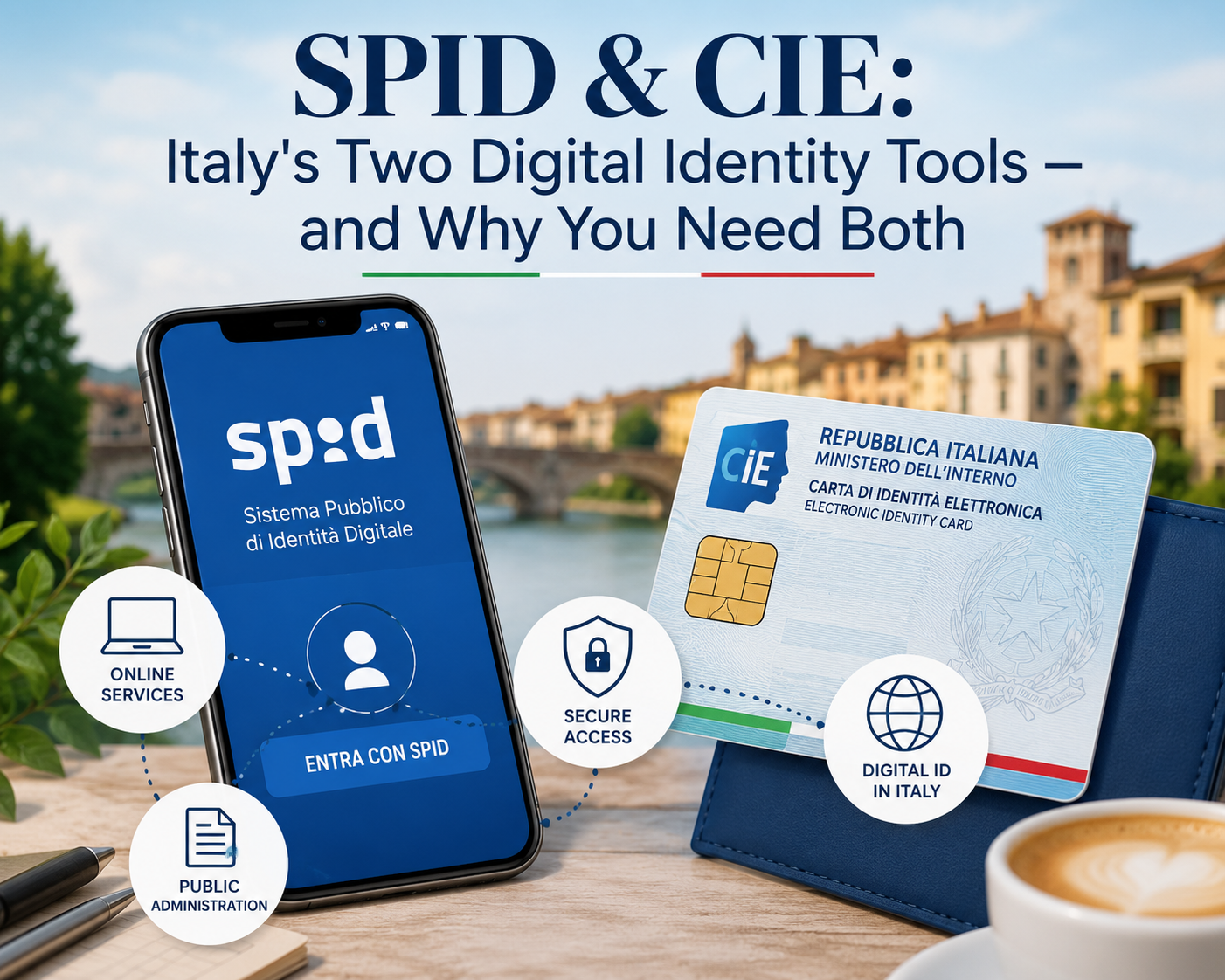
SPID & CIE: Italy’s Two Digital Identity Tools — and Why You Need Both
⏰ LAST UPDATED: AUGUST 4, 2026 If you’re living in Italy, setting up your SPID and CIE Italy digital identity tools isn’t an optional extra — it’s how you access nearly every official government service. From booking your Questura appointments to filing taxes online and registering for healthcare, having both makes navigating Italian bureaucracy […]