Understanding ZTL (Zona a Traffico Limitato) in Italy
by Adriana ruiz
If you’re an expat living in Italy or just moved here, one of the most confusing and costly mistakes you can make is unknowingly entering a Zona a Traffico Limitato (ZTL). These restricted traffic zones are common in historic city centers and are designed to reduce congestion and pollution. Violating ZTL rules can lead to hefty fines, so understanding how they work is essential.
What is a ZTL?
A Zona a Traffico Limitato (ZTL) is a restricted traffic area where only authorized vehicles are allowed to enter during specific hours. These areas are monitored by cameras that automatically register license plates, and if you drive into a ZTL without permission, you’ll receive a fine. The penalty can range from €80 to €300 per infraction, depending on the city and the number of violations.
Who Can Enter a ZTL?
Generally, access is granted to:
• Residents with a permit
• Public transportation and emergency vehicles
• Hotel guests (some hotels in ZTL areas can request temporary access for their guests, but you must arrange it in advance)
• Electric vehicles (in some cities, they are allowed to enter without fines)
• Disabled drivers with proper authorization
How to Avoid ZTL Fines
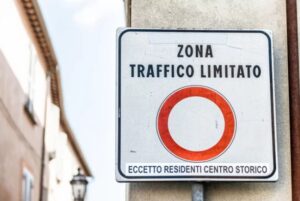
1. Look for Signs: ZTL zones are clearly marked with a red and white circular sign and often display time restrictions.
2. Use Navigation Apps: Google Maps and Waze sometimes warn about ZTLs, but apps like mooneygo or moovitapp provide more accurate local traffic restrictions.
3. Park Outside the ZTL: Many Italian cities have designated parking areas outside restricted zones where you can leave your car and take public transport or walk.
4. Request a Temporary Permit: If you need access for specific reasons (such as hotel stays), ask in advance for temporary authorization.
5. Consider Car Alternatives: Using public transport, taxis, or renting electric scooters and bikes can help avoid ZTL fines.
ZTL Rules by Major Italian Cities
Since many expats live in cities with active ZTLs, here’s a breakdown of key regulations in the most popular areas:
Rome
• ZTL areas cover most of the historic center.
• Restrictions vary by time of day: daytime ZTL hours are usually from 6:30 AM to 6:00 PM (Monday–Friday) and 2:00 PM to 6:00 PM (Saturday), while nighttime ZTLs (“ZTL notturna”) usually operate from 11:00 PM to 3:00 AM (Friday–Saturday).
• Residents and hotel guests can apply for access permits.
Milan
• Milan has an Area C zone, which functions as a congestion charge area rather than a ZTL.
• To enter the ZTL, you must purchase a daily pass and register your vehicle. For non-residents or for residents exceeding their reduced-rate limit, the cost is €7.50 per day. Residents receive their first 40 entries into the ZTL for free each year. After the 40th entry, the daily cost becomes €3.00. Electric cars can enter for free.
• The “Area B” is a larger zone, that limits the access to the most polluting vehicles.
• It is very important to check the Milan municipal website for the specific rules regarding your car type.
Florence
• The ZTL covers the entire historic center, making it one of the most restrictive zones in Italy.
• Unauthorized vehicles are prohibited from 7:30 AM to 8:00 PM (Monday–Friday) and from 7:30 AM to 4:00 PM (Saturday).
• Hotel guests must inform their accommodation to avoid fines.
Naples
• Naples has multiple ZTLs, especially in the Centro Storico and Chiaia districts.
• Restrictions vary, with some areas being 24/7 restricted.
• Many streets also have limited access to non-residents.
Turin
• The ZTL Centrale operates from 7:30 AM to 10:30 AM (Monday–Friday).
• Electric vehicles are often exempt from restrictions.
Bologna
• The ZTL covers the entire historic center and is monitored by cameras.
• Access is restricted from 7:00 AM to 8:00 PM (Monday–Friday).
• Permits are available for hotel guests and residents.
Venice
• Venice itself has no ZTL for cars since it’s a pedestrian city.
• However, Mestre (the mainland area) has restrictions, especially near Piazzale Roma.
• Parking in Mestre and taking public transport to Venice is recommended.
What to Do If You Receive a ZTL Fine
If you unknowingly drive into a ZTL and receive a fine, you can either pay or appeal it. Fines are typically sent to the vehicle owner’s address, even for rental cars (the rental company will charge you). If you believe the fine was issued incorrectly, you can contest it through the local Prefecture or Giudice di Pace (Justice of the Peace), though this process requires paperwork and sometimes legal fees.
Final Tips
• Always double-check signs when driving in a new city.
• If renting a car, ask the rental agency about ZTL policies.
• Use public transport or park in designated areas outside ZTL zones.
* Please note that the ZTL times mentioned in this article may change over time. It is advisable to check the city municipal website for the most up-to-date information.
If you need help with your citizenship process, language courses, or general expat life in Italy, email us at [email protected].

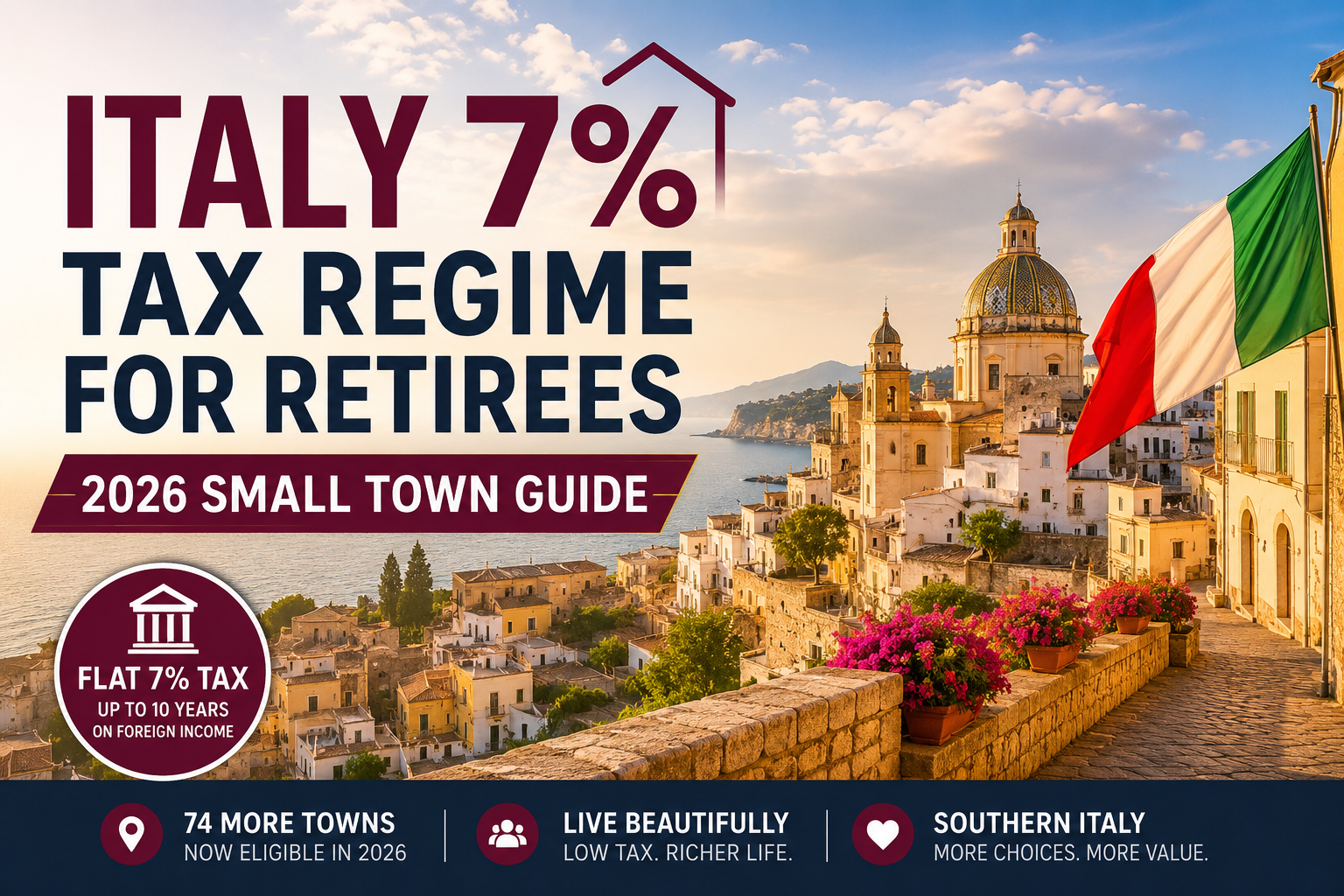
Italy 7% Tax Regime for Retirees: Complete 2026 Guide & Rules
Italy 7% Tax Regime for Retirees: Complete 2026 Guide & Rules ⏰ LAST UPDATED: AUGUST 11, 2026 The Italy 7% tax regime for retirees is one of the most attractive foreign pension incentives in Europe. Codified in Article 24-ter of Italy’s Consolidated Income Tax Act (TUIR), it allows qualifying individuals to pay a flat 7% […]

Do Dual Citizens Need Private Health Insurance in Italy?
Do Dual Citizens Need Private Health Insurance in Italy? A few days ago, a member of our community asked a deceptively simple question: “Do dual citizens need private health insurance in Italy?” The short answer is no—but the reality is more nuanced. Whether you hold Italian citizenship by birth, through jure sanguinis (by descent), […]

What’s On in Italy | August 2026 Events & Festivals
What’s On: Italy August 2026 If you are planning to travel or move to Italy August 2026, prepare for a month that is hot, loud, and unapologetically festive. Cities empty as locals head to the coast, but for those who stay — and for visitors who know where to look — this is one of […]
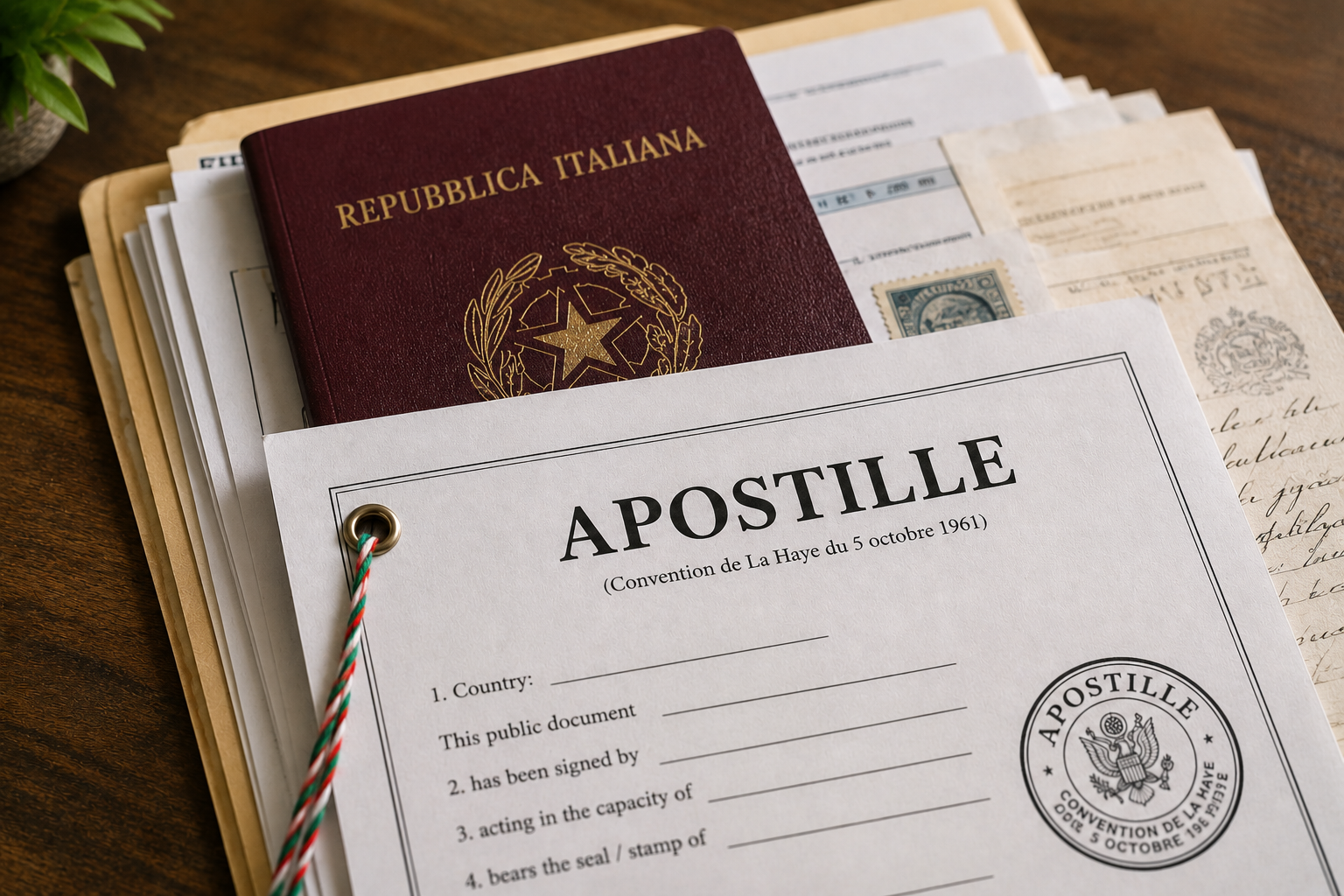
Apostille Italy vs Notarized Documents: Complete Guide
If you are applying for Italian citizenship, a visa, or residency, you need to understand how to get an apostille Italy authorities will accept. Documents often need to be “apostilled” or “notarized” — or both. These terms get used interchangeably, but they mean very different things. Getting it wrong is one of the most common […]

How to Become a Self-Employed Worker in Italy 2026
A practical guide for non-EU citizens who want to live in Italy, work independently, open a business, freelance, consult, or build a professional life abroad. Need help with your move to Italy? Becoming self-employed in Italy can be exciting, but the process can also feel confusing, especially if you are trying to understand visas, permits, […]
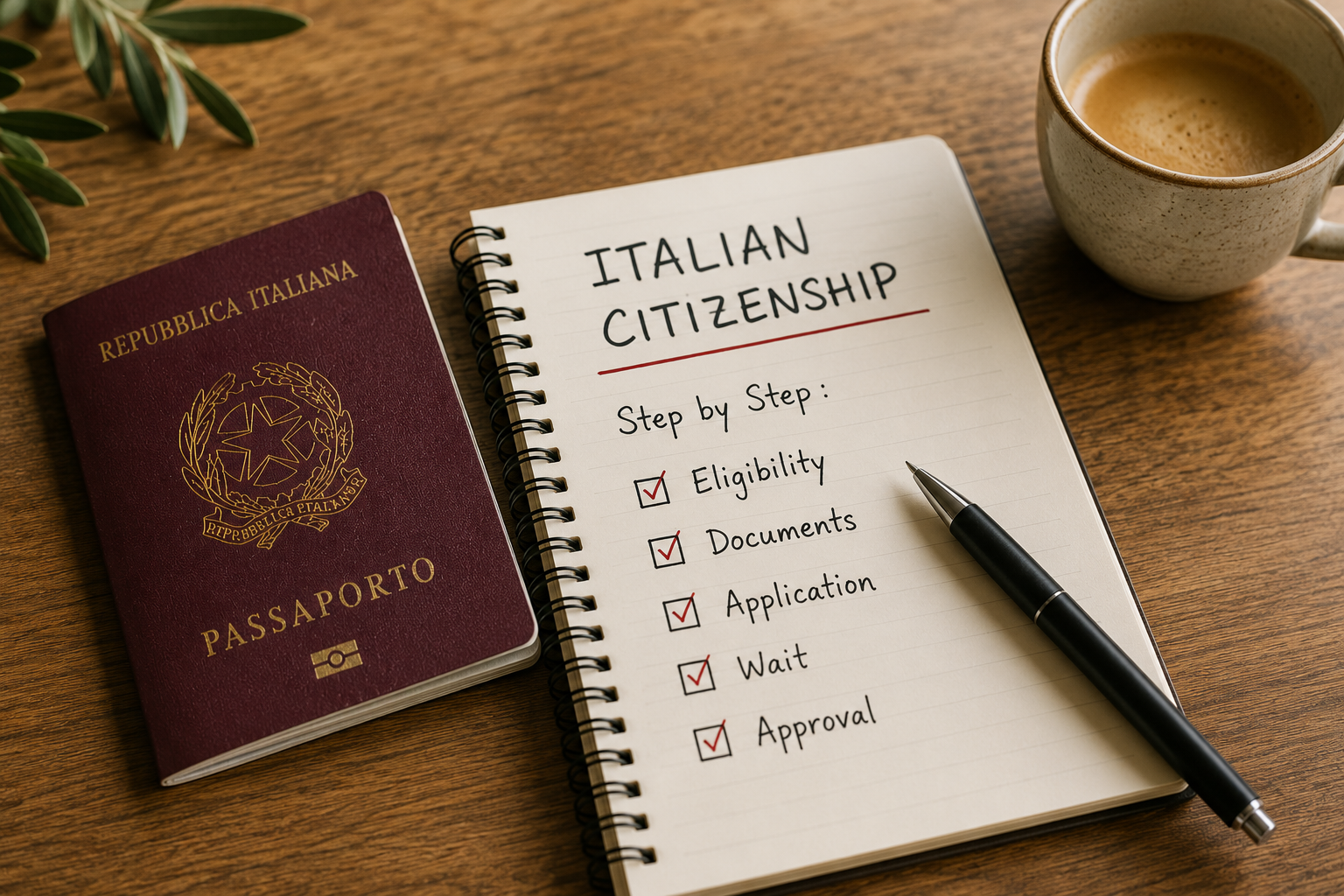
How to Get Italian Citizenship: 2026 Guide to Shifting Laws
⏰ Last Updated: July 8, 2026 Learning how to get Italian citizenship is an incredible milestone. However, massive regulatory shifts changed the legal landscape completely this year. Recent constitutional court rulings, doubled fees, and strict generation limits have rewritten the rules of the game. Here is the updated reality. Critical Lineage Warning: A […]
How to Move to Italy: A Step-by-Step Guide 2026
Comprehensive 2026 Residency Roadmap If you are considering relocating to Italy in 2026, you are likely drawn to the unparalleled lifestyle, the history, and the vibrant culture. However, moving to Italy is more than just booking a flight; it is a legal journey that requires navigating a complex bureaucratic system. There are several distinct pathways […]
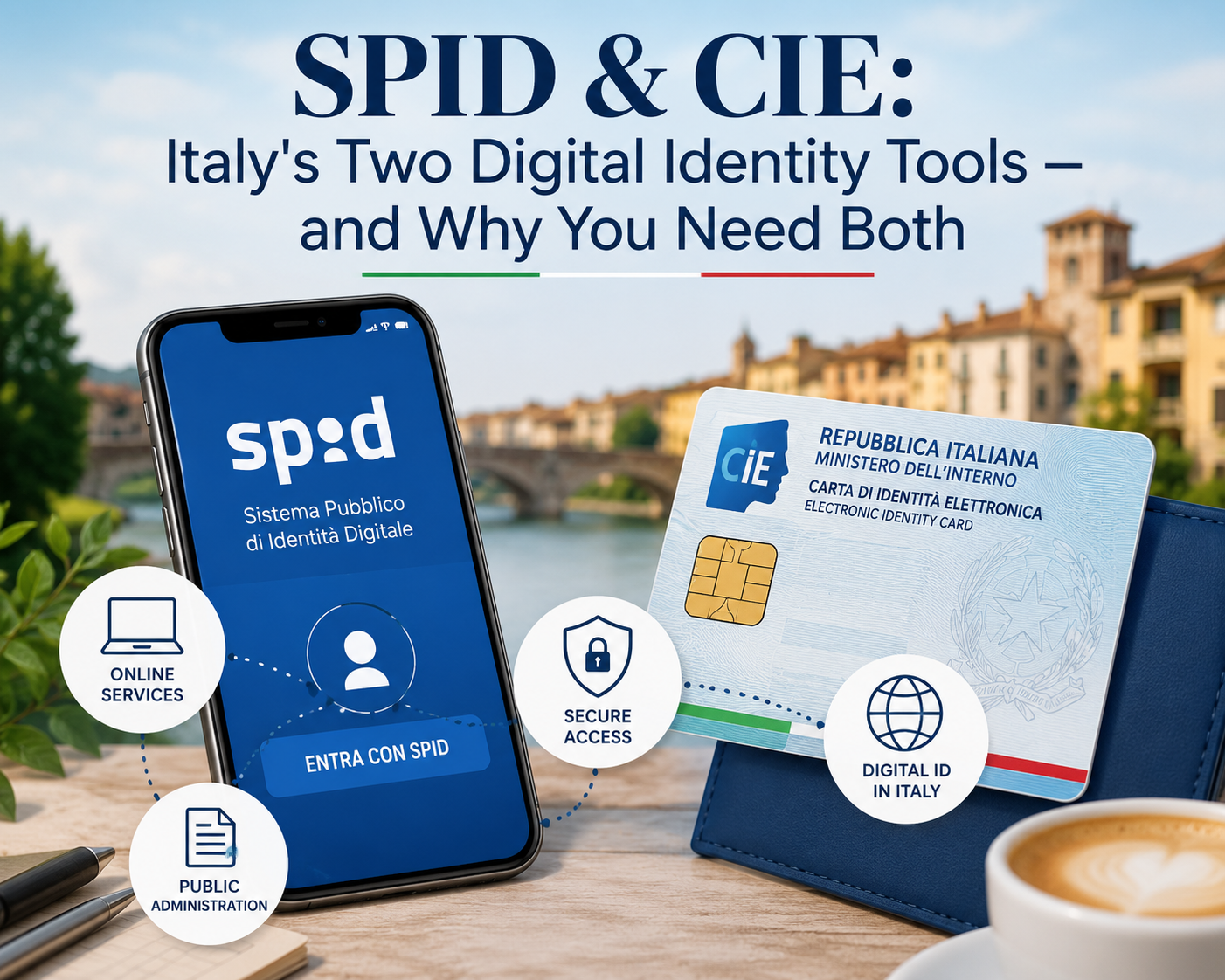
SPID & CIE: Italy’s Two Digital Identity Tools — and Why You Need Both
⏰ LAST UPDATED: AUGUST 4, 2026 If you’re living in Italy, setting up your SPID and CIE Italy digital identity tools isn’t an optional extra — it’s how you access nearly every official government service. From booking your Questura appointments to filing taxes online and registering for healthcare, having both makes navigating Italian bureaucracy […]