Expat Healthcare in Italy: Navigating the Italian Healthcare System
by Adriana ruiz
⏱️ Read Time: 8 Min
📍 Verified Expat Healthcare Guide
Table of Contents
-
- 1. The Italian Healthcare System Overview
- 2. Registration and Residency
- 3. EHIC, Private Insurance, and SSN Costs
- 4. Family Doctors (Medico di Base)
- 5. Public vs. Private Healthcare
- 6. Emergency Services
- 7. Prescriptions and Pharmacies
- 8. Health Checkups and Preventive Care
- 9. Language Barriers & Local Support
- 10. Health Card (Tessera Sanitaria)
- 11. Frequently Asked Questions (FAQs)
Moving to Italy is a dream for many expats, known for its stunning landscapes, rich culture, and delicious cuisine. However, understanding and navigating the Italian healthcare system can be a challenging aspect of expat life. In this guide, we provide expats with essential, up-to-date information to help them register, access services, and make the most of Italy’s healthcare coverage.
1. The Italian Healthcare System Overview
Italy boasts a universal healthcare system, known as the Servizio Sanitario Nazionale (SSN). It provides comprehensive medical services to Italian citizens and legal foreign residents, including expats living in the country.
2. Registration and Residency
To access public healthcare, expats must register with their local health authority, the Azienda Sanitaria Locale (ASL), based on their registered residence. The registration process requires presenting key paperwork:
- A valid passport or national ID card.
- Your Codice Fiscale (Italian tax code).
- Proof of legal stay (a Permesso di Soggiorno or post office application receipt for non-EU expats).
- Proof of residence or a registered lease agreement.
3. EHIC, Private Insurance, and SSN Costs
- EU Citizens: Should hold a valid European Health Insurance Card (EHIC) for temporary stays or transfer their coverage via EU S1 forms when establishing residency.
- Non-EU Citizens & Voluntary Registration: Non-EU residents who do not qualify for mandatory free coverage (such as students or elective residents) must register voluntarily. Annual voluntary SSN fees start at €700 per calendar year for students and €2,000 baseline for elective residency or self-sufficient individuals. Private health insurance is strongly recommended until your public registration is completed.
4. Family Doctors (Medico di Base)
Upon registering at the ASL, you must select a Medico di Base (primary care family doctor) from the local registry directory. Your family doctor acts as your primary point of contact for non-emergency medical care, routine checkups, and official referrals (impegnativa) to specialized public medical doctors or diagnostic tests.
💡 Are You an Italian Citizen Registered in AIRE?
If you are an Italian dual citizen or expat registered in AIRE returning to Italy, your access to the SSN public healthcare system follows specific rules regarding temporary emergency coverage, regional registration, and residency restoration. Check out our comprehensive guide to understand your options.
5. Public vs. Private Healthcare
Italy offers both public and private healthcare options:
- Public Healthcare (SSN): Offers low-cost or free care, though non-urgent specialist appointments may involve long waiting times.
- Private Healthcare: Provides faster access to specialists and modern facilities, though expenses must be paid out-of-pocket or covered by private international insurance.
6. Emergency Services
In case of a medical emergency anywhere in Italy, dial 112 (the universal European emergency number) or go directly to the emergency room (Pronto Soccorso) of the nearest public hospital. Emergency stabilization and urgent care are guaranteed to all individuals regardless of residency status.
7. Prescriptions and Pharmacies
Prescription drugs are distributed through local pharmacies (farmacia). Essential medications prescribed by your Medico di Base are heavily subsidized by the SSN, while over-the-counter remedies are paid in full.
8. Health Checkups and Preventive Care
The SSN places a strong emphasis on preventive care. Once registered, residents have access to subsidized routine health screenings, diagnostic testing, and age-appropriate vaccination programs.
9. Language Barriers & Local Support
Medical staff in public ASL clinics may not always speak fluent English. Non-Italian speakers are advised to bring a bilingual friend, colleague, or professional translator to consultations to ensure accurate communication regarding medical histories and treatment plans.
10. Health Card (Tessera Sanitaria)
Once your registration is processed at the ASL, you will receive a temporary paper certificate for immediate coverage, followed by your official plastic Tessera Sanitaria in the mail. This card contains your fiscal code and doubles as your EHIC when traveling within the EU.
📖 Read our detailed step-by-step guide on how to get your Tessera Sanitaria in Italy
Frequently Asked Questions (FAQs)
Is public healthcare in Italy completely free for expats?
Public healthcare through the SSN is heavily subsidized, but not entirely free for everyone. While primary care visits (Medico di Base) and hospital stays are generally free, patients pay small co-payments (known as a ticket) for specialist consultations, lab work, and diagnostic procedures unless exempt. Non-EU expats without work contracts may also need to pay an annual voluntary registration fee.
Can tourists or short-term visitors use the Italian public healthcare system?
Tourists and short-term visitors from the EU/EEA can use their valid European Health Insurance Card (EHIC) for necessary medical treatment. Non-EU visitors and tourists must rely on private travel insurance or pay out-of-pocket for non-emergency care, though emergency rooms (Pronto Soccorso) treat urgent cases regardless of nationality.
How do I get an English-speaking doctor in Rome?
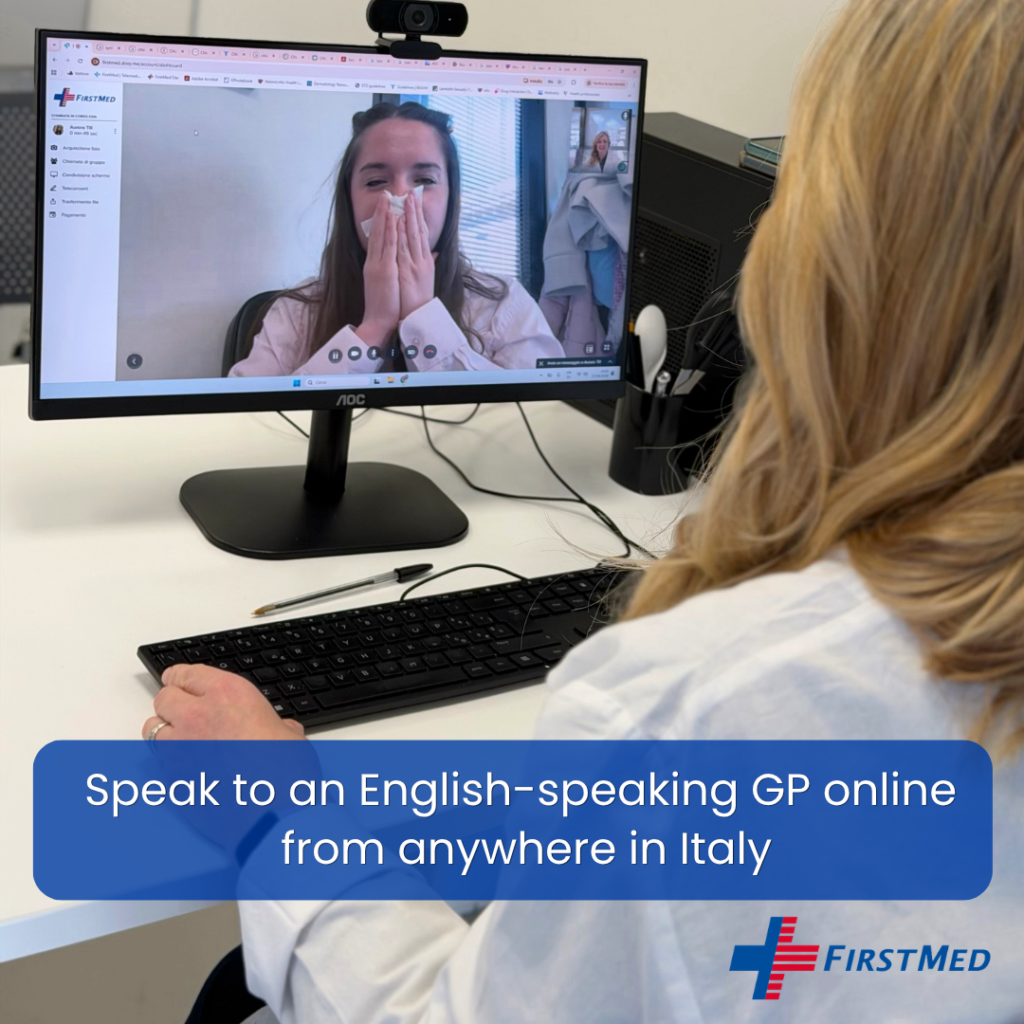
While public ASL clinics assign family doctors based on geographic availability (and English fluency is not guaranteed), expats looking for English-speaking doctors can book private appointments directly through international clinics in Rome, such as FirstMed, or request an English-speaking practitioner via private health platforms.
Are routine dental care and eye exams covered by the SSN?
Generally, no. Routine dental care and optical services are mostly handled in the private sector in Italy. The public SSN only covers limited emergency dental treatments or specific care for high-risk categories and young children.
NEED ENGLISH-SPEAKING DOCTORS & PRIVATE MEDICAL APPOINTMENTS IN ROME?
Navigating public clinic waiting lists or finding fluent English-speaking doctors in Rome can be overwhelming. FirstMed is Rome’s leading private international medical center, providing fast access to multi-specialty care, diagnostics, lab testing, and English-speaking general practitioners. Skip the administrative delays and book your private medical appointment directly online with FirstMed.
🚀 Book Your Doctor Appointment at FirstMed Rome Now →