Understanding the Italian Education System
by Adriana ruiz
Planning a move to Italy with your family? One of the key areas you’ll need to navigate is the education system. Whether you’ve just arrived or are preparing for a longer stay, understanding how the Italian school system functions is crucial for your family’s educational success. Here’s what you need to know.
Structure of the Italian Education System
The Italian education system is overseen by the Ministry of Education and Merit and the Ministry of University and Research. It is largely public, though private and semi-private (paritarie) institutions also exist. The system is divided into several levels, with schooling mandatory from ages 6 to 16.
Early Childhood Education
• Nido d’infanzia (Nursery School): For children aged 3 months to 3 years, attendance is optional. These institutions focus on socialization, play, and early cognitive development.
• Sezione Primavera (Spring Section): An experimental, optional program for children aged 2 to 3. It’s a bridge between nursery school and kindergarten.
• Scuola dell’infanzia (Kindergarten): Open to children aged 3 to 6, this is not mandatory but widely attended. It emphasizes play-based learning, creativity, and early social skills development.
Primary and Lower Secondary Education (Compulsory)
• Scuola Primaria (Primary School): Formerly known as “elementare,” this stage is for children aged 6 to 11. It lasts five years and covers core subjects like Italian, mathematics, history, geography, and basic science. Children also start learning a foreign language, often English.
• Scuola Secondaria di Primo Grado (Lower Secondary School): Commonly referred to as “scuola media,” this three-year program caters to students aged 11 to 14. It builds on primary education with more specialized subjects, including a second foreign language. Upon completion, students must pass an exam to proceed to the next educational level.
Upper Secondary Education
At 14, students choose between various paths in Scuola Secondaria di Secondo Grado (Upper Secondary School), which lasts five years and is mandatory until age 16. Each pathway culminates in a final exam, the Esame di Stato (commonly known as Maturità), necessary for university admission.
• Liceo (High School): Academically rigorous, licei prepare students for university with a focus on theoretical knowledge. Options include:
Liceo Classico (focus on Latin, Greek, and humanities)
Liceo Scientifico (emphasis on math and sciences)
Liceo Linguistico (specializing in foreign languages)
Liceo Artistico (focused on the arts)
Liceo delle Scienze Umane (social sciences and pedagogy)
Liceo Musicale e Coreutico (music and dance)
• Istituti Tecnici (Technical Institutes): These schools blend theoretical education with technical skills, covering areas like technology, economics, and administration.
• Istituti Professionali (Vocational Institutes): Focused on practical skills for specific trades, these programs often include internships and hands-on training. After three years, students can obtain a professional qualification, or continue for two more years to achieve a diploma.
Higher Education
Italy boasts a prestigious university system, with many institutions tracing their roots back centuries. Higher education is structured in line with the Bologna Process, offering degrees at three levels:
• Laurea (Bachelor’s Degree): Typically a three-year program.
• Laurea Magistrale (Master’s Degree): A two-year postgraduate degree, or a five to six-year program if combined with the bachelor’s degree in fields like medicine or law.
• Dottorato di Ricerca (Doctorate/PhD): Usually takes three years to complete.
Some courses, like medicine, dentistry, architecture, and veterinary sciences, require passing national entrance exams due to limited enrollment spots
Special Programs and Adult Education
• Centri Provinciali per l’Istruzione degli Adulti (CPIA): Adults, including foreigners, can enroll in these centers to complete their basic education, learn Italian, or pursue vocational training.
• Alta Formazione Artistica, Musicale e Coreutica (AFAM): Specialized higher education institutions for the arts, music, and dance, parallel to universities.
Languages of Instruction
While Italian is the primary language of instruction, certain regions offer education in other languages:
• German and Ladin in the Province of Bolzano
• Slovene in Friuli-Venezia Giulia
Expats should consider language support options, as many public schools do not offer full instruction in English. However, there are international schools and bilingual programs in major cities like Rome, Milan, and Florence.
Understanding the Italian education system helps expats make informed decisions for their families. Whether you’re enrolling your child in a local school or considering university options, Italy offers a diverse range of educational opportunities. Be sure to explore both public and private options, and don’t hesitate to reach out to local communities for advice and support.
Permesso di Soggiorno Renewal Italy: 6 Easy Steps
Permesso di Soggiorno Renewal Italy: 6 Essential Steps Deadlines, kit postale, costs, and your legal rights while waiting Updated: August 2026 | Reading time: 10 minutes In this guide: 1. When to Renew | 2. Required Documents | 3. Costs & Fees | 4. Kit Postale Process | 5. Questura Appointment | 6. Legal Rights […]
Jure Sanguinis Italy: 5 Easy Steps to Citizenship
Updated: August 2026 7 Min Read Jure Sanguinis Italy: Updated Citizenship by Descent Guide How Court Rulings and Law 74/2025 Affect Your Application If you are planning to apply for Jure Sanguinis Italy citizenship through your ancestral heritage, the legal landscape in Italy has undergone major developments. Between landmark High Court rulings overturning administrative restrictions […]
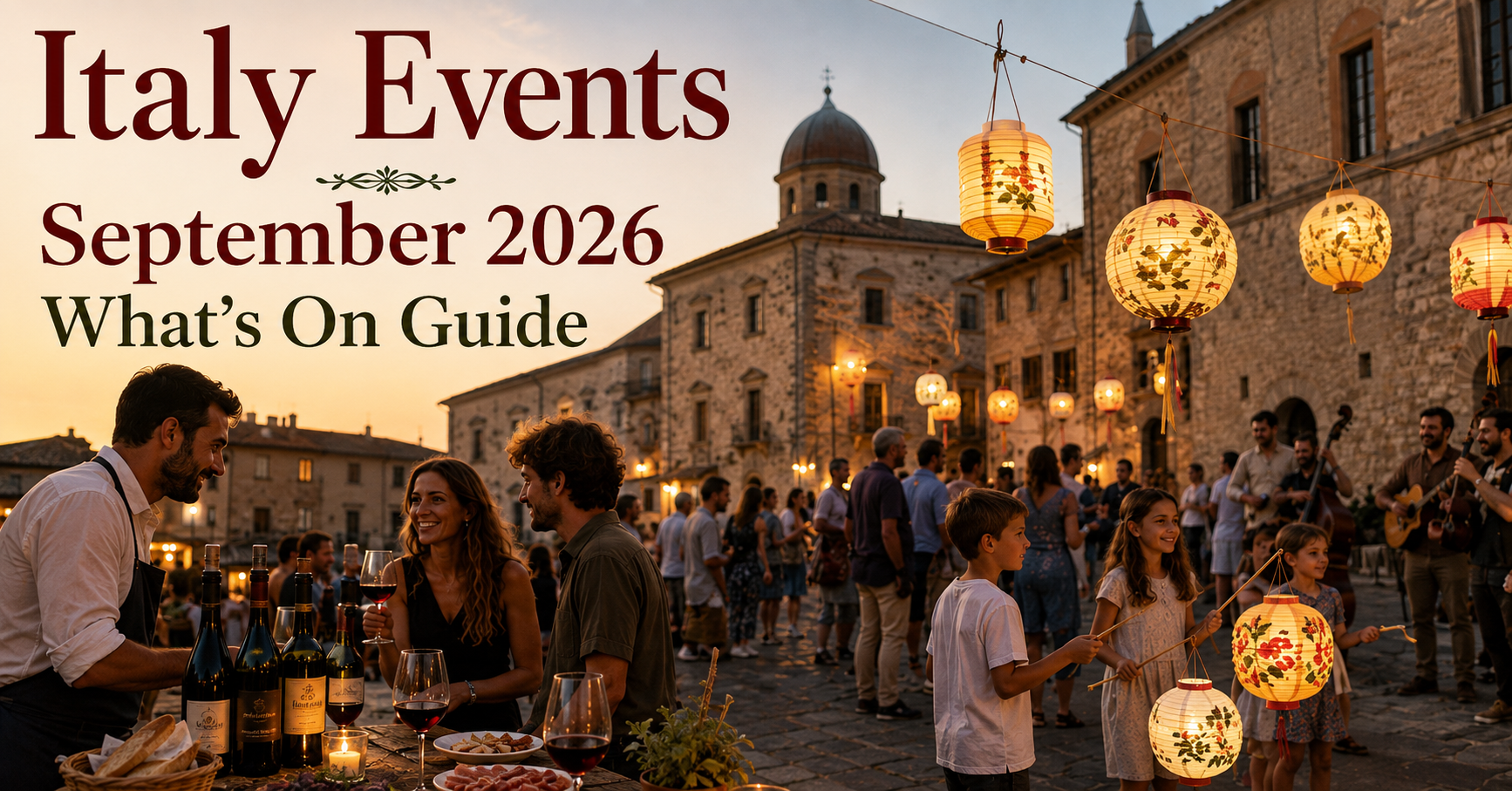
Italy Events September 2026: 7 Unforgettable Festivals
Italy September Events: 5 Top Festivals & Celebrations Film premieres, wine harvests, medieval pageants, and local travel tips Updated: August 2026 | Reading time: 8 minutes In this guide: 1. Major Cultural & Film Festivals | 2. Wine Harvests & Sagre | 3. Historical Reenactments | 4. Essential Travel Tips | 5. Key Questions September […]
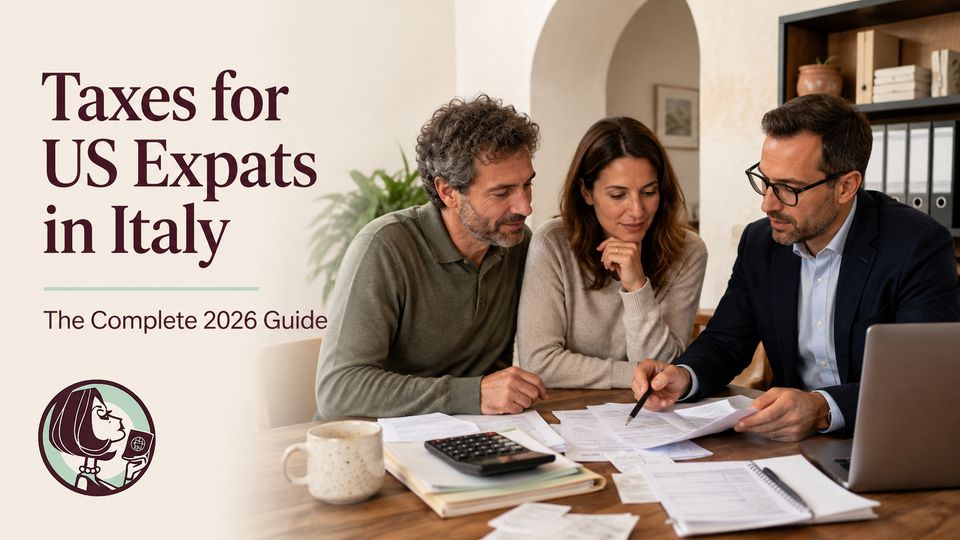
US Expats Italy Taxes: The Complete 2026 Guide
Expat Tax & Finance 🕒 Updated: August 20, 2026 ⏱️ Reading Time: 8 min read Taxes for US Expats in Italy: The Complete 2026 Guide Understanding citizenship-based taxation, foreign tax credits, FEIE thresholds, and how to avoid double taxation while living in Italy. Navigating Dual Tax Systems as an American in Italy Mastering US expats […]
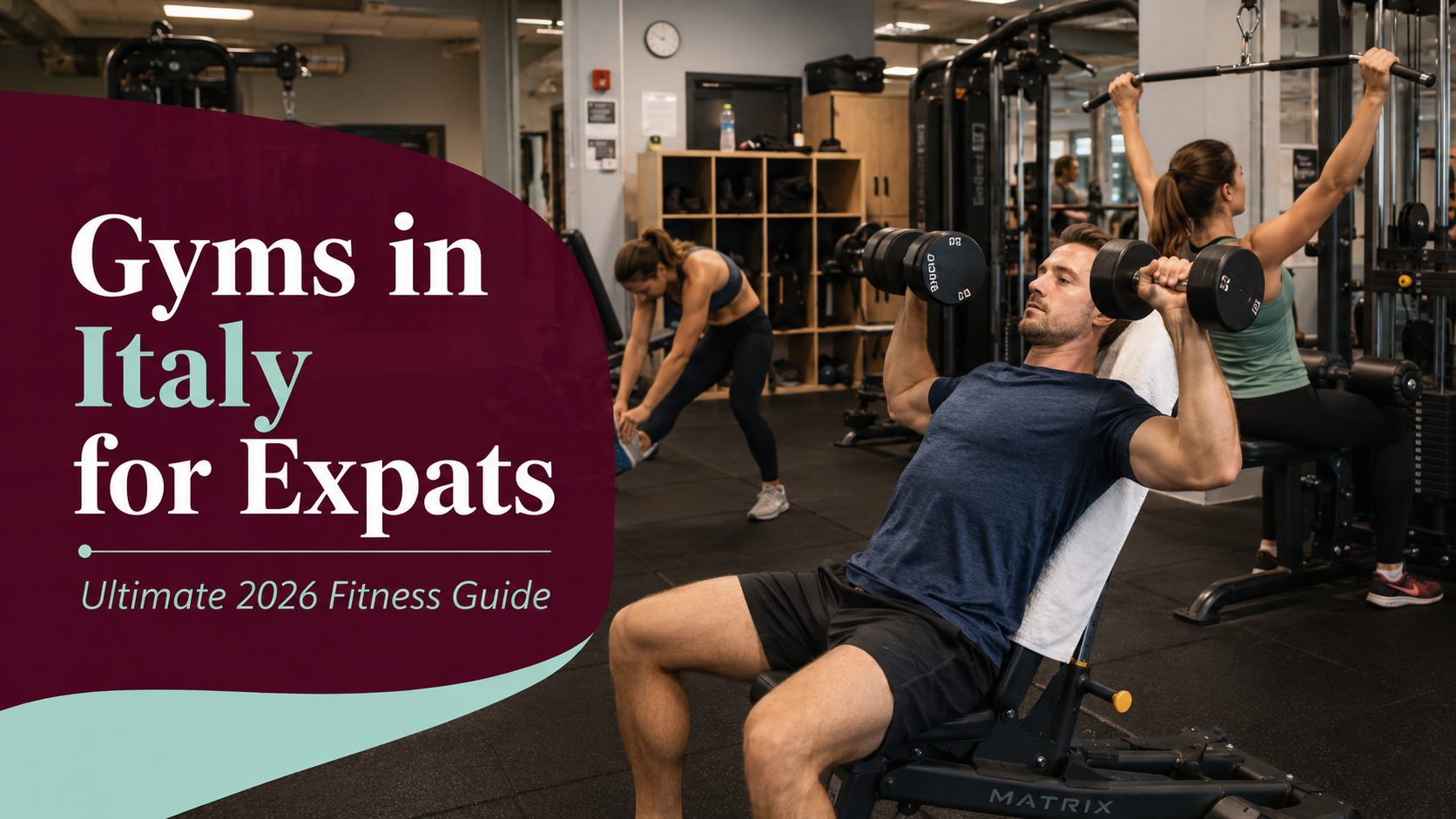
Gyms in Italy for Expats: Ultimate 2026 Fitness Guide
Expat Living & Wellness 🕒 Updated: August 20, 2026 ⏱️ Reading Time: 8 min read Gyms in Italy for Expats: Ultimate 2026 Fitness Guide From 24/7 budget chains to luxury wellness centers with spas and pools — your complete guide to staying fit across Rome, Milan, Florence, and beyond. Finding the Right Fitness Center in […]
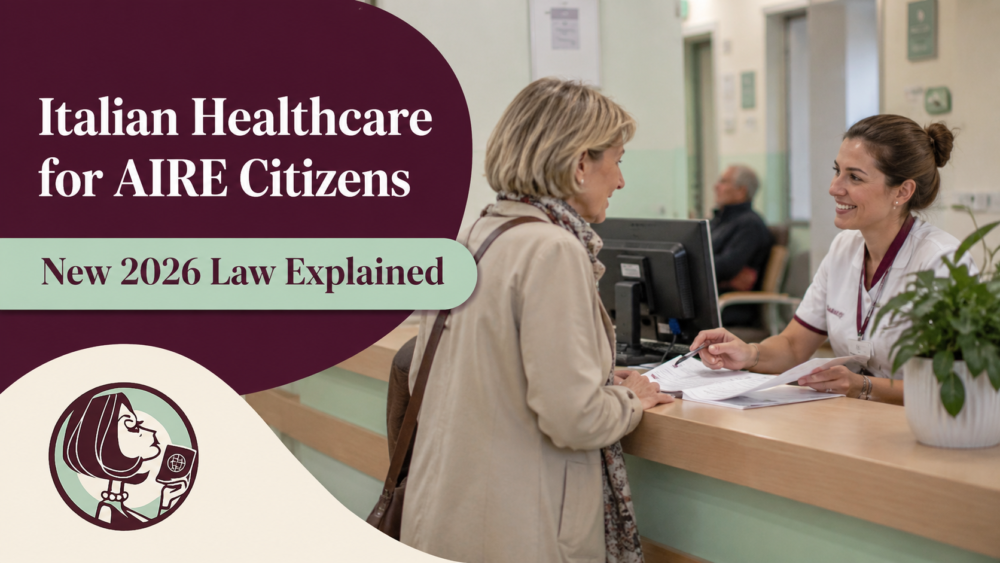
Italian Healthcare for AIRE Citizens: 2026 SSN Rules
Italian Healthcare for AIRE Citizens 🕒 Updated: August 19, 2026 ⏱️ Reading Time: 6 min read Italian Healthcare for AIRE Citizens: 2026 SSN Rules & Costs Italian citizens registered with AIRE now have an official path back into Italy’s National Health Service — here is what it costs, who qualifies, and what the coverage includes. […]

Investor Visa Italy 2026: Requirements, Tax Benefits & Rules
Investor Visa Italy 2026 Guide 🕒 Updated: August 19, 2026 ⏱️ Reading Time: 9 min read Investor Visa Italy 2026: Requirements, Tax Benefits & Rules Everything high-net-worth individuals, foreign entrepreneurs, and investors need to know about acquiring Italy’s Golden Visa in 2026. Investor Visa Italy: Residency Through Investment The Investor Visa Italy (often called Italy’s […]
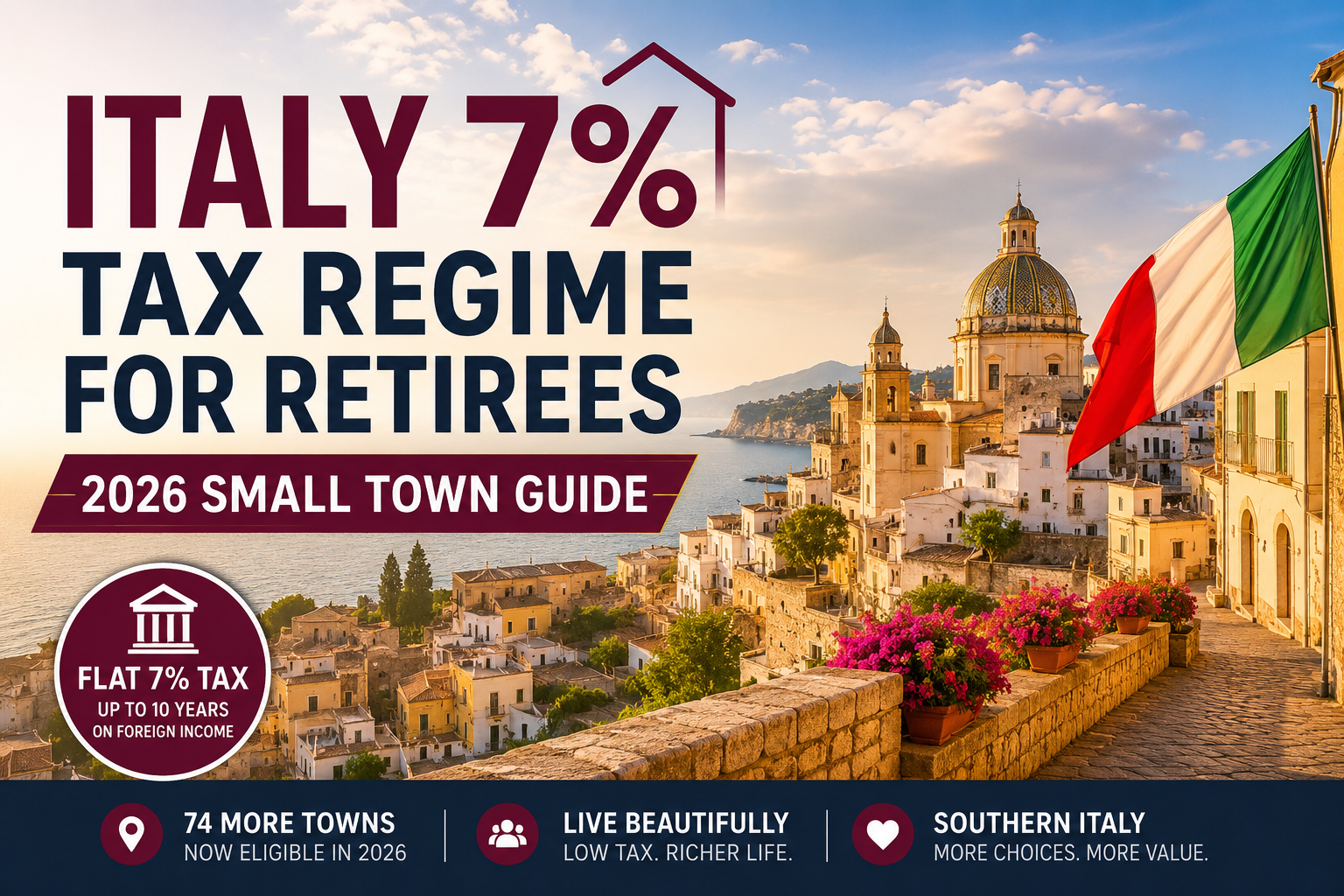
Italy 7% Tax Regime for Retirees: Ultimate 2026 Guide
Retirement & Taxes in Italy 🕒 Updated: August 19, 2026 ⏱️ Reading Time: 8 min read Italy 7% Tax Regime for Retirees: Ultimate 2026 Guide Discover how foreign pensioners moving to qualifying southern Italian municipalities can lock in a flat 7% tax rate on all overseas income for 10 years. Overview of Italy’s 7% Pensioner […]