13 Traditional Roman Foods | Taste the Best of the Eternal City
by Adriana ruiz
Roman cuisine, or la cucina romana, is defined by simple, flavorful ingredients, focusing heavily on pecorino romano cheese, guanciale (cured pork jowl), and seasonal vegetables. Essential dishes include creamy Carbonara, peppery Cacio e Pepe, and tomato-based Amatriciana, alongside crispy fried artichokes (carciofi alla giudia) and suppli (fried risotto balls).
Roman cuisine is a delightful fusion of simplicity, tradition, and bold flavors. Let’s explore some quintessential Roman dishes that you must try when visiting Italy’s Eternal City:
Iconic Pasta Dishes
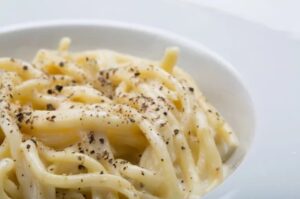
1. Cacio e pepe is a classic Roman pasta dish that combines simple ingredients to create a flavorful and creamy result. It consists of spaghetti (or other pasta), Pecorino Romano cheese, freshly ground black pepper, and sometimes a touch of butter. The secret lies in the technique: the starchy pasta water emulsifies with the cheese, creating a luscious sauce.
Here are some variations you can try:
◦ Spaghetti Cacio e Pepe: The traditional version with spaghetti.
◦ Bucatini Cacio e Pepe with Broccoli: Incorporates broccoli for added flavor.
◦ Paccheri Cacio e Pepe with Sausage: A heartier version with sausage.
◦ Strozzapreti Cacio e Pepe with Mussels: Seafood lovers will enjoy this twist.
◦ Pasta Nduja e Pecorino: Introduces spicy nduja sausage.
◦ Pici Cacio e Pepe: Features thick, hand-rolled pasta. Enjoy this Italian favorite!
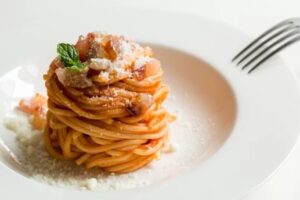
2. Amatriciana is a classic Italian pasta dish that originated in the town of Amatrice, located in the province of Rieti. It’s a beloved staple in Roman cuisine and has gained popularity worldwide. The key ingredients include guanciale (cured pork jowl), pecorino cheese, and tomato sauce. The pasta is typically served with either bucatini or spaghetti.
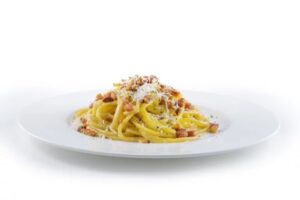
3. Carbonara is a creamy pasta made with eggs, Pecorino Romano, guanciale (cured pork jowl), and black pepper. The secret lies in the technique of combining the hot pasta with the egg mixture to create a luscious sauce. It’s a Roman classic that never disappoints.
4. Gricia: Known as a “white” amatriciana (no tomatoes), made with guanciale and cheese. Because it features the same ingredients as Amatriciana—specifically guanciale (cured pork jowl), Pecorino Romano cheese, and black pepper—but without tomatoes. Often considered the “mother” or ancestor of Amatriciana and Carbonara, this 20-minute dish relies on emulsifying rendered pork fat with cheese and pasta water to create a creamy sauce.
Classic Main Courses & Snacks

5. Supplì are rice croquettes consisting of a ball of cooked risotto, typically filled with tomato-based meat sauce and a piece of mozzarella. The entire morsel is soaked in egg, coated with breadcrumbs, and then fried to crispy perfection. When broken open, the mozzarella stretches out like a telephone cord, earning them the nickname ‘supplì al telefono.’ They’re a beloved street food in Rome and are often served as an antipasto in pizzerias throughout Italy.
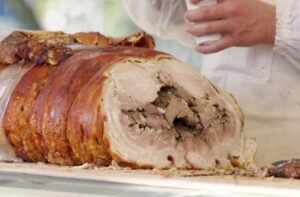
6. Porchetta is a savory, fatty, and moist boneless pork roast from Italian culinary tradition. Look for it at local markets or food stalls.
Ingredients:
◦ Pork: The carcass is deboned and spitted or roasted traditionally over wood for at least eight hours, with fat and skin still on.
◦ Flavorings: Porchetta can be stuffed with liver, wild fennel, garlic, rosemary, or other herbs.
◦ Tradition: It’s a celebratory dish in Italy, especially associated with central regions like Lazio and Ariccia.
◦ Street Food: In Rome, porchetta is a common street food, often served in a panino or as a filling for pizza bianca.
Trivia:
◦ Porchetta is one of the iconic culinary products of Lazio, alongside pecorino romano cheese.
◦ It’s a flavorful and beloved dish that combines crispy skin and succulent meat.
7. Coda alla Vaccinara: A rich oxtail stew simmered for hours with tomato, celery, and a hint of cocoa is a classic Roman stew made from oxtail braised until falling off the bone in a rich tomato and celery sauce. Historically a poor-man’s dish from the quinto quarto (fifth quarter/offal) of the slaughterhouse, it is seasoned with herbs, wine, and sometimes cocoa, resulting in a thick, savory, and sweet sauce.
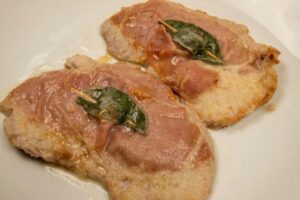
8. Saltimbocca alla Romana is a classic Roman dish that lives up to its name, which translates to “jump in the mouth.” Thin veal or pork cutlets are topped with prosciutto and sage, creating flavorful bites. These cutlets are then pan-fried to perfection and served with a white wine sauce. As a traditional secondo (main course) in Roman cuisine, saltimbocca is a delightful treat for the tste buds!
9. Trippa alla Romana: Tripe cooked in tomato sauce with mint and pecorino. Trippa alla Romana is a traditional Roman dish featuring beef tripe slow-cooked in a savory tomato sauce with aromatic herbs and vegetables. Often served on Saturdays, this rustic, high-protein “fifth quarter” dish is characterized by tender honeycomb tripe, white wine, carrots, celery, onion, mint (mentuccia), and a generous topping of Pecorino Romano cheese.
Vegetables & Sides (Contorni)

10. Maritozzo, is a delightful Roman sweet bun with a rich history dating back to ancient times. Crafted from an enriched brioche-style dough, this luscious treat incorporates extra virgin olive oil for both softness and flavor. The dough is skillfully shaped into round or slightly elongated buns, then baked until it achieves a golden brown hue. Once cooled, the maritozzo is sliced in half (similar to a hot dog roll) and generously filled with freshly whipped cream. For an extra touch of sweetness, a dusting of powdered sugar is added. The irresistible combination of honey, citrus, vanilla, and billowing whipped cream makes maritozzo a beloved choice in Rome and the Lazio region. Traditionally enjoyed for breakfast or as a delightful snack, this bun continues to captivate taste buds.
Remember, when in Rome, eat like a local! Explore trattorias, osterias, and family-run restaurants to savor these authentic Roman flavors.
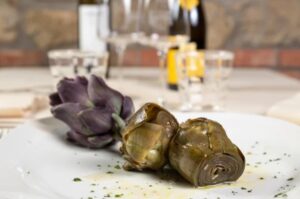
11. Carciofi alla Romana is a delightful Roman dish featuring artichokes cooked with garlic, mint, and olive oil. This flavorful vegetable preparation captures the essence of Roman cuisine and is best enjoyed during artichoke season in spring.
12. Carciofi alla Giudia: Ancient Jewish-style artichokes, deep-fried until crisp.Carciofi alla giudia (Jewish-style artichokes) are a famous Roman-Jewish specialty, consisting of whole artichokes deep-fried twice—first to tenderize, then at higher heat to make the leaves crispy and golden. Originating in Rome’s historic Ghetto, they resemble chrysanthemums, with a nutty, crispy texture often served as a, hot, salty appetizer in springtime.
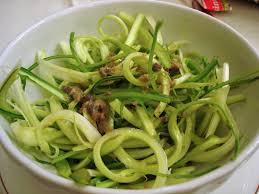
13. Puntarelle: Chicory shoots served raw with an anchovy, garlic, and vinegar dressing. is a popular Italian bitter chicory (Cichorium intybus) from the Lazio region, prized for its crisp, hollow, asparagus-like inner shoots. Often called “asparagus chicory,” it is traditionally served raw in a Roman salad (Puntarelle alla Romana) with an anchovy, garlic, and vinegar dressing. It is in season from November through April.
If you’re considering a move to Italy, it’s important to seek legal advice to ensure a smooth transition. At Expat Living In Rome, we specialize in helping expats navigate the complexities of Italian law and bureaucracy. Our team of experienced lawyers can assist you with obtaining a residence permit, finding a job, and settling into your new life in Italy.